


Most of our clients are in the US, UK, Switzerland, or elsewhere in the EU. IST overlaps with morning Europe and late-night US: perfect for handoffs, not for eight hours of shared Zoom.
We founded PAI Technologies in 2024 with async-first delivery as a deliberate choice, not a compromise. Across 30+ projects and 5,000+ Upwork hours at 4.9★, the pattern is consistent: written status, demoable milestones, and calls reserved for decisions that truly need sync time.
This article documents the weekly rhythm, tools, and boundaries that keep Gordon (Switzerland), MythraCore (UK), and US product teams equally informed without anyone living on midnight calls.
Async-first is a feature, not a compromise
Real-time overlap across Delhi, London, and California is a few hours at best. Trying to force synchronous culture onto that geometry burns people out and still leaves half the day without shared context.
Async-first means decisions are documented, demos are watchable on replay, and blockers are visible in writing, not buried in a call someone missed because they were asleep.
Clients who embrace this ship faster: they review Loom on their schedule, reply with consolidated feedback, and we execute during IST prime hours without waiting for their 9pm.
The weekly rhythm clients can rely on
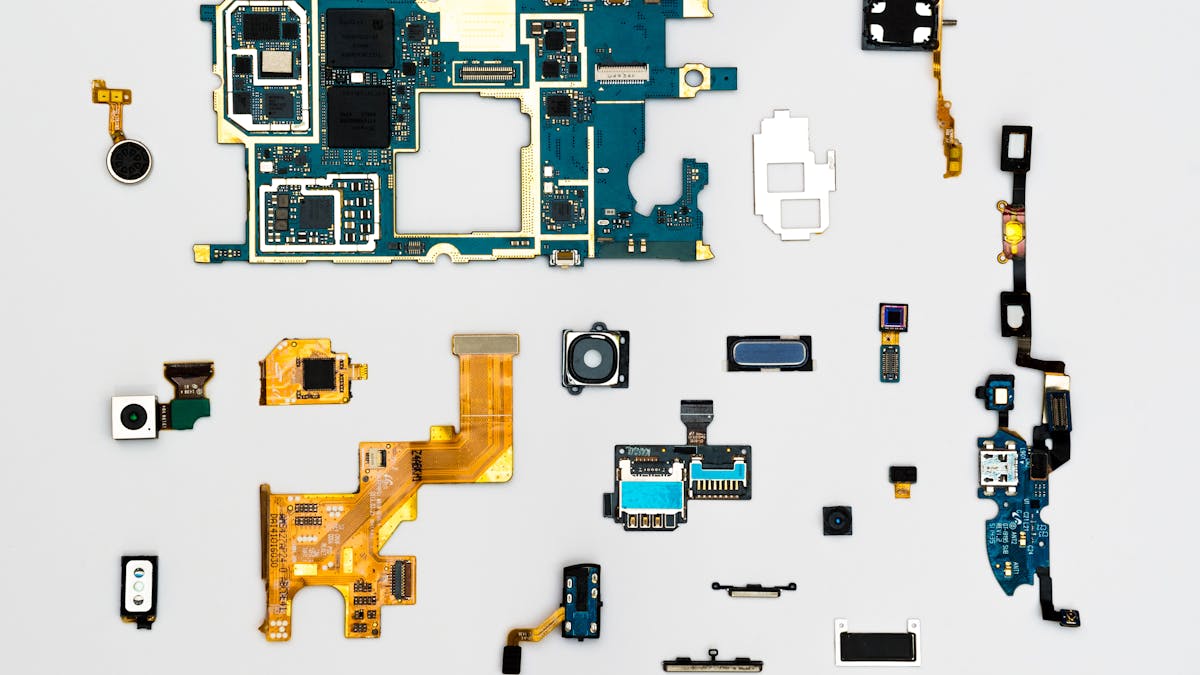
Monday or Tuesday: written status: done, next, blocked, with links to PRs, staging, or hardware bench photos. No “everything is fine” without evidence.
Mid-week: short Loom or staging URL when UI, AI behaviour, or PCB progress is visual. EU clients on Gordon see eu-central staging; hardware clients see bring-up clips.
Friday: milestone check against acceptance criteria; scope changes explicit in writing with impact on timeline. Slack or email for blockers. We respond within one business day on business questions.
Tools and conventions
We adapt to your stack: Slack, email, Upwork messages, Notion, Linear, Jira. The tool matters less than the habit of one thread per decision.
PRs link to tickets; tickets link to acceptance criteria. When a client asks “what changed this week,” the answer is a list of links, not a verbal summary.
For hardware, photos of bench setup, DRC screenshots, and BOM diffs travel the same channels as software: one studio, one communication pattern.
When we do get on a live call

Discovery: validate brief, data access, compliance (especially EU GDPR questions), and stakeholder map. Once per engagement unless scope pivots hard.
Architecture freeze: align on vertical slice, stack, region, and eval criteria before sprint one commits. Worth a 60–90 minute sync with decision-maker present.
Retrospective: what worked in the cycle, what to change next. Optional but valuable for repeat clients.
Day-to-day questions rarely need meetings if the brief and ticket are clear. We push back politely on “quick calls” that lack an agenda, they often cost more calendar time than async answers.
Escalation and commercial clarity
Engineering blockers go to the lead engineer. Scope, contract, and timezone scheduling go to me or Rekha, so engineers stay in flow.
Upwork clients get the same rhythm as direct clients; milestones and messages are the audit trail Job Success depends on.
If a client needs faster response for a launch window, we define “business hours” overlap explicitly in the SOW, not assumed 24/7 availability.
What you can do as a client
Consolidate feedback once per day when possible. Scattershot messages across twelve hours force us to re-read context repeatedly.
Name one decision-maker for scope. Three approvers in three timezones is the most common delay we see: fixable with process, not more calls.
Send the structured brief up front (problem, data, constraints, success criteria). Async delivery works best when the source of truth is written, exactly how we run 30+ global engagements from Delhi.